

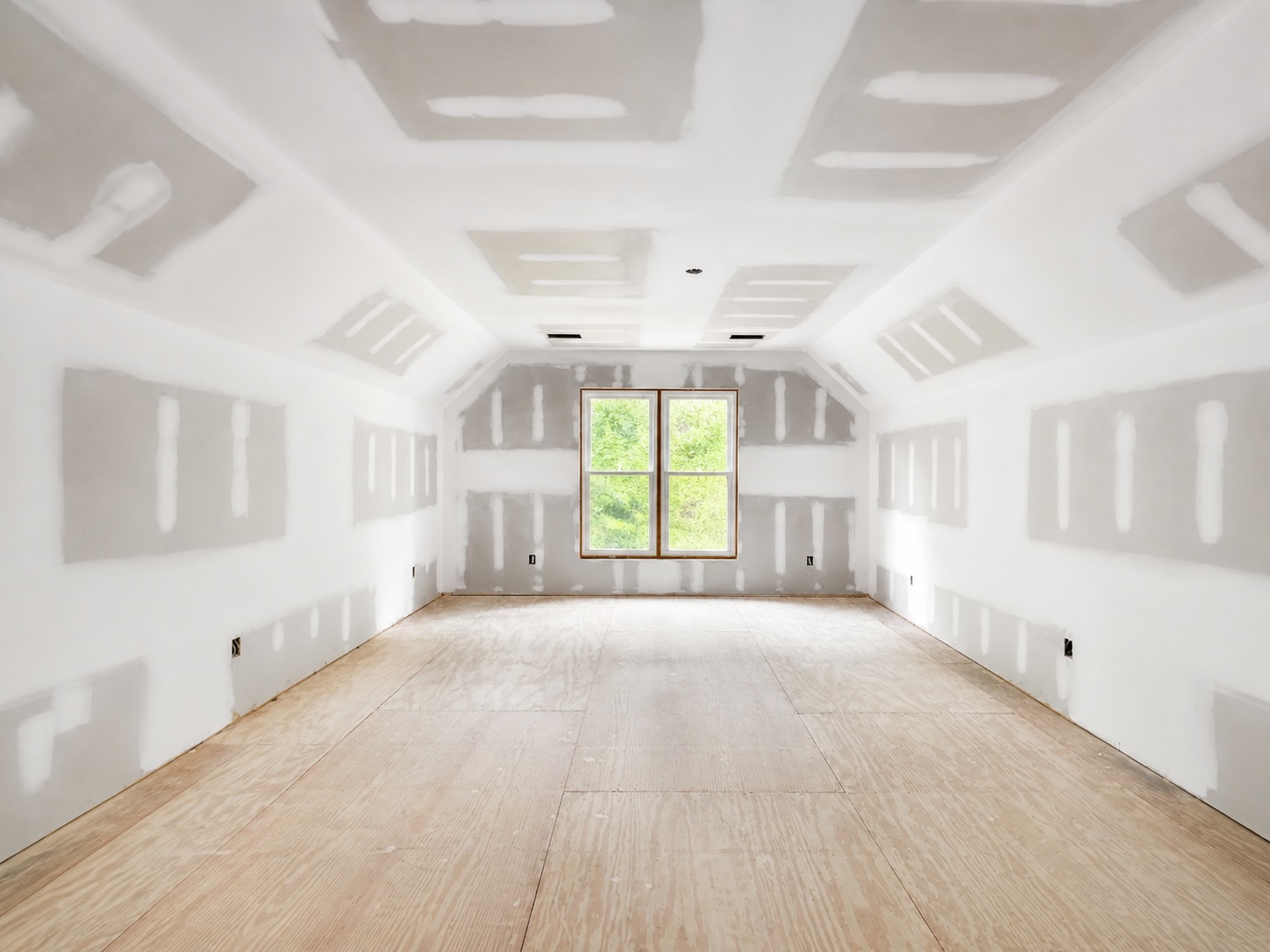
Cathedral Ceiling Cracks Before Painting: Why Paint Keeps Failing

A cathedral ceiling can look perfect on paint day and still crack again within months. Most homeowners assume the paint failed. More often, the surface was never ready for a finish coat — or movement behind the drywall was never addressed before repainting. In Memphis-area homes, ceiling paint that keeps cracking usually points to prep problems: framing movement, humidity, weak support, old patches that were painted over, or repairs that fixed the line without fixing the cause.
Why cathedral ceiling paint keeps cracking
Fresh paint does not create cracks. It reveals and follows them. When a cathedral ceiling crack reopens after repainting, the problem is usually not the color or the sheen. The finish coat is doing exactly what paint always does — showing you what is underneath.
Most disappointing ceiling paint jobs are prep problems. The crack gets scraped, retaped, coated, sanded, and painted. It looks better for a while. Then the same stress underneath the drywall opens the joint again, and the new paint splits right along the old line.
Wall cracks follow the same logic. See our step-by-step walkthrough of repairing a failed drywall joint above a door before interior painting.
- Cracks at the high peak where two ceiling planes meet.
- Long seams that telegraph through primer and paint.
- Butt joints that leave ridges visible after the finish coat.
- Old patch work that cracks again once the room is repainted.
- Movement behind the drywall that surface repair never addressed.
- Paint rolled over rough sanding or uneven feathering.
Cathedral ceilings are unforgiving on paint day
A cathedral ceiling can make a room feel open, bright, and custom. It also puts every drywall line on display. Long ceiling planes, angled framing, and a high peak all create stress points where cracks are more likely to show — and where new paint makes flaws easier to see, not harder.
On a flat wall, a small flaw may blend into the background. On a cathedral ceiling, the same flaw catches the light and pulls your eye across the whole room. That is why interior painting on these ceilings needs more than a roller and a ladder. The surface has to be repaired, reinforced where needed, and truly paint-ready before the first coat goes on.
Why tape, mud, and paint alone may not be enough
Tape, joint compound, sanding, primer, and paint are all part of a finished ceiling. But they are not meant to solve movement behind the drywall. If framing is uneven, unsupported, or able to shift, the painted surface is taking stress it was not built to handle.
Before deciding whether a cathedral ceiling needs patching, reinforcement, or replacement, the real question is simple: is this just a surface crack, or is the drywall moving because of what is behind it? A prep-first interior painting team looks at that question before rolling color.
The hidden prep that helps paint last
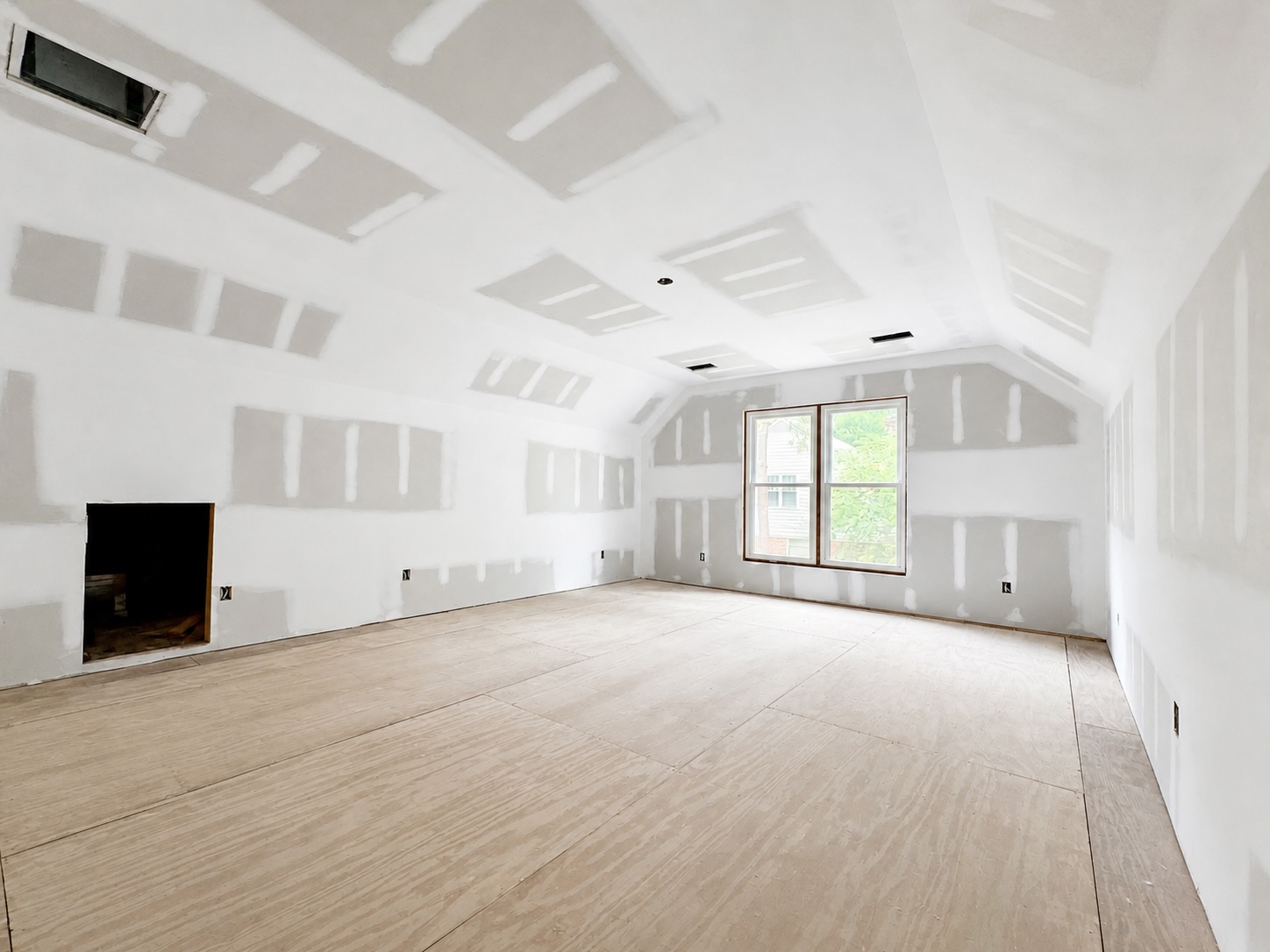
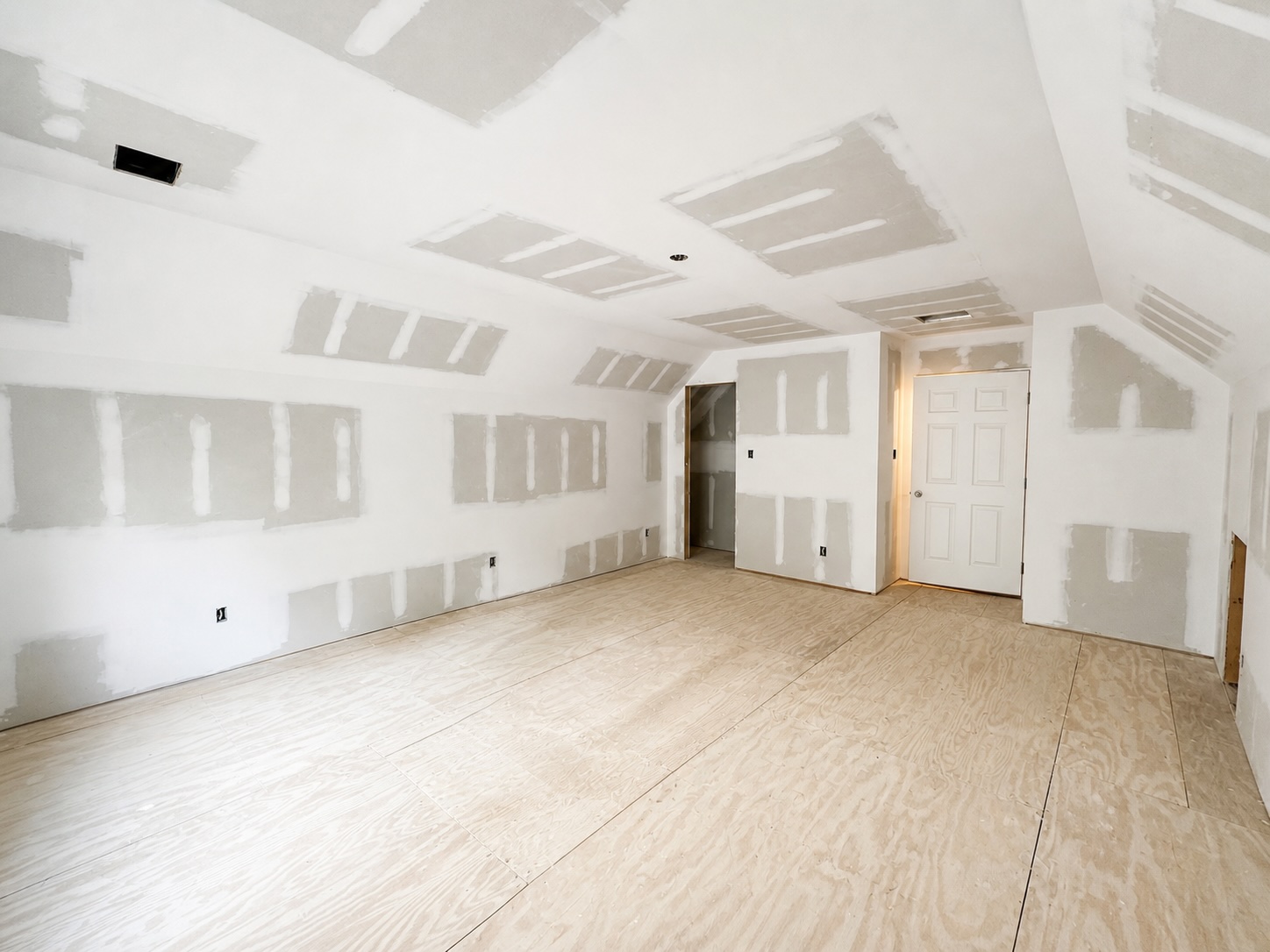
On this project, the important work happened before the ceiling was finished and painted. We used ClarkDietrich Strait-Flex X-Crack under the drywall to help straighten uneven framing, support tricky ceiling areas, and reduce the movement that causes cracks to reopen after paint.
ClarkDietrich describes X-Crack as a product for ceiling areas with wood roof trusses or conventional wood framing, areas where framing members are out of alignment, ceiling areas that are not properly supported, and places where movement may occur. Those details matter on a cathedral ceiling because the drywall follows the roof shape instead of a simple flat plane — and paint alone cannot compensate for that movement.
The homeowner does not see that system once the drywall is up and the ceiling is painted. What they see is the clean surface. But the hidden prep gives that finish coat a better chance of staying clean — because the ceiling was stabilized before primer and paint, not just covered over.
What prep-first cathedral ceiling painting usually involves
Every ceiling is different, but a paint job that actually lasts starts before the first coat of primer. A prep-first interior painter should look at the ceiling lines, the peak, old cracks, unsupported areas, and the way light hits the room — not just the color you picked.
- Identify the seams, cracks, and butt joints that will show through paint.
- Determine whether the crack is only in the finish or tied to movement behind the drywall.
- Repair, reinforce, or replace drywall where the ceiling needs more than a surface patch.
- Build out butt joints wide enough so ridges are not visible after the finish coat.
- Feather joint compound into the surrounding ceiling instead of leaving a hump.
- Sand and inspect from the same angles where the room will be viewed.
- Spot-prime repairs before rolling the finish color.
The goal is not just to make a crack disappear for a few months. The goal is a cathedral ceiling that looks finished — and stays finished — after interior painting is done.
Paint will not hide bad prep — and bad prep will crack again
Paint can make a ceiling look complete, but it will not hide ridges, bad seams, rough sanding, or crooked lines. In many rooms, a fresh coat makes those problems easier to see because it gives the ceiling an even color and sheen.
Cathedral ceilings are especially tough because light moves across the surface from different angles. A small hump in a butt joint or a rough transition at the peak can stand out after primer and paint. That is why the surface has to be wide, smooth, and checked carefully before the painter starts — not rushed so the room can get color on the walls.
Project proof: prep before paint, finish that holds

When to call a prep-first interior painter
Small nail holes and minor wall dings are one thing. Cathedral ceiling cracks that keep coming back after paint are different. They are harder to reach, harder to finish, and more likely to need real ceiling prep — not just another coat of color.
- The crack is at the ceiling peak.
- The crack is long or keeps reopening after repainting.
- The ceiling looks loose, bowed, or unsupported.
- A previous repair left a ridge or rough patch that shows through paint.
- You are planning an interior paint project and want the ceiling to look truly finished.
- The work requires ladders, staging, or careful finishing at height.
In Memphis, Germantown, Collierville, Bartlett, Cordova, Lakeland, Arlington, and nearby areas, we see cathedral ceiling paint failures tied to older homes, humidity, settling, renovations, and previous patch work that was painted over too soon. The right fix starts with understanding why the paint failed — then prepping the surface before repainting.
What to look for in a prep-first painting team
Before hiring anyone to repaint a cathedral ceiling, ask how they plan to handle the reason the paint keeps cracking. A good interior painting estimate should not be only about color and sheen.
- They explain whether the ceiling needs patching, reinforcement, or replacement — not just a recoat.
- They understand butt joints, wide feathering, and visible sightlines on sloped ceilings.
- They look at the peak, framing concerns, and unsupported areas before quoting paint.
- They do not tell you that paint alone will hide bad prep or reopening cracks.
- They can walk you through how the surface will be made paint-ready before the finish coat.
- They handle ceiling repair, prep, primer, and interior painting in one scope — so nothing gets skipped between trades.
FAQ
Why does my cathedral ceiling paint keep cracking?
Ceiling paint usually cracks again because the surface was not properly prepped before repainting, or because movement behind the drywall was never addressed. Paint follows the crack — it does not fix the cause.
Can I just paint over cathedral ceiling cracks?
No. Paint may cover color differences for a short time, but it will not fix cracks, ridges, rough seams, or movement behind the drywall. The ceiling has to be repaired and prepped before interior painting.
What prep does a cathedral ceiling need before painting?
It depends on the room, but most cathedral ceiling painting projects need crack and seam repair, reinforcement where framing moves, wide feathering and sanding, inspection from viewing angles, spot priming on repairs, and protection of walls and floors before finish coats.
What is X-Crack used for?
X-Crack is installed under drywall in ceiling areas where framing may be uneven, unsupported, or likely to move. It helps create a more stable base before the ceiling is finished and painted — so cracks are less likely to reopen through the finish coat.
How do I know if my ceiling needs more than patching before paint?
If the crack keeps coming back after repainting, the drywall feels loose, or the ceiling line looks uneven, it may need more than tape and mud. A prep-first interior painter can inspect the cause and include the right ceiling repair in the painting scope.
Should I hire separate trades for ceiling repair and painting?
Not necessarily. Look for a prep-first interior painting team that handles visible ceiling repair before paint — so prep does not get rushed or skipped between contractors. McEvoy Pro Painters comes from drywall finishing, so we fix flaws before the first coat instead of rolling color over them.
Ready for cathedral ceiling painting that stays finished?
If your cathedral ceiling has cracks that keep coming back, rough seams, or a finish that never looked quite right after repainting, McEvoy Pro Painters can help. We offer interior painting with wall and ceiling repair — prep, primer, and finish coats handled in the right order so the room feels clean and put together when we are done.
We serve the Memphis metro, including Collierville, Germantown, Bartlett, Cordova, Lakeland, Arlington, and nearby areas. Call 901-472-8777 for a free interior painting estimate and we will walk through what your cathedral ceiling needs before the first coat.